Comfort 101 Blog Home

Serta 2024 Presidents Day Mattress Sale
February 02, 2024
Even though our 2024 Presidents Day Sale is over, that doesn't mean you can't start sleeping better at an affordable...
Read More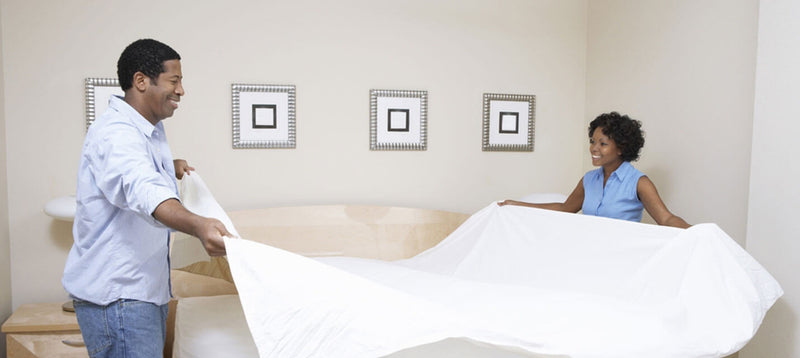
Mattress/Bed Sizes and Dimensions Guide
February 01, 2024
Serta's mattress sizing guide gives the standard dimensions for California king, king, queen, twin, twin XL size mattresses. Find the...
Read More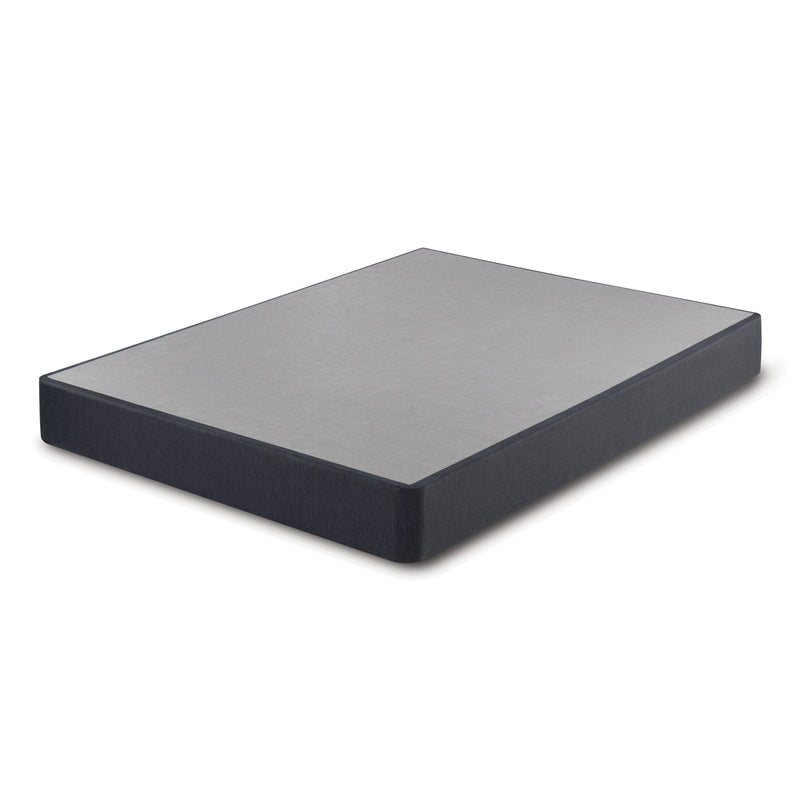
Do you need a box spring?
January 31, 2024
Ah, box springs, the OG (“original gangsta” if you didn’t know) support system for mattresses.
Read More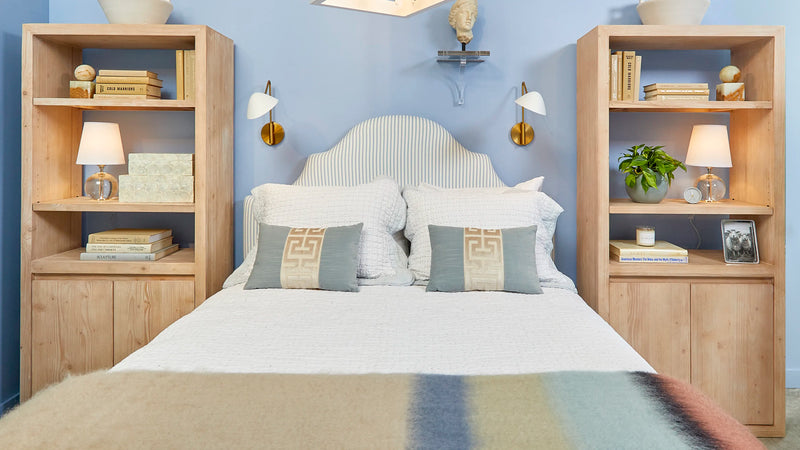
Serta Is Proud to Be a Partner in Apartment Therapy’s Small/Cool NYC 2023 Design Event!
October 18, 2023
Small/Cool NYC is Apartment Therapy’s award-winning home decor pop-up event with smart and surprising tips and tricks for small, cool...
Read More
Mattress Quiz: How to Select the Perfect Serta Mattress For You
September 14, 2023
You finally did it! You decided to invest in a lifetime of better sleep. Not only are we proud of...
Read More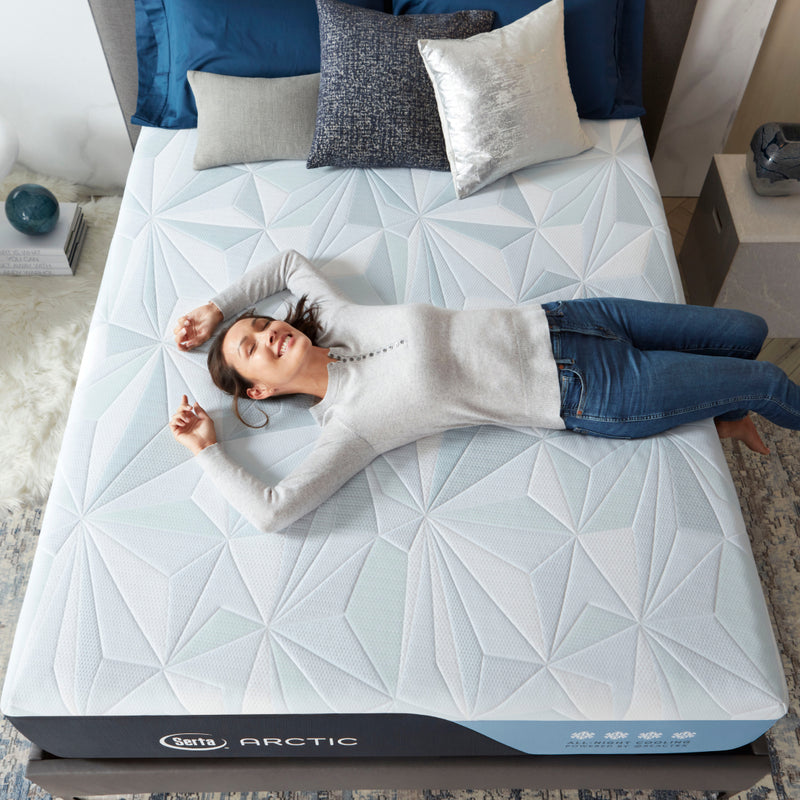
2023 Labor Day Mattress Sale & More. Serta Deals Start Now!
August 16, 2023
Labor Day Mattress Sale & More End summer on a cool note and start shopping now. Your best night’s...
Read More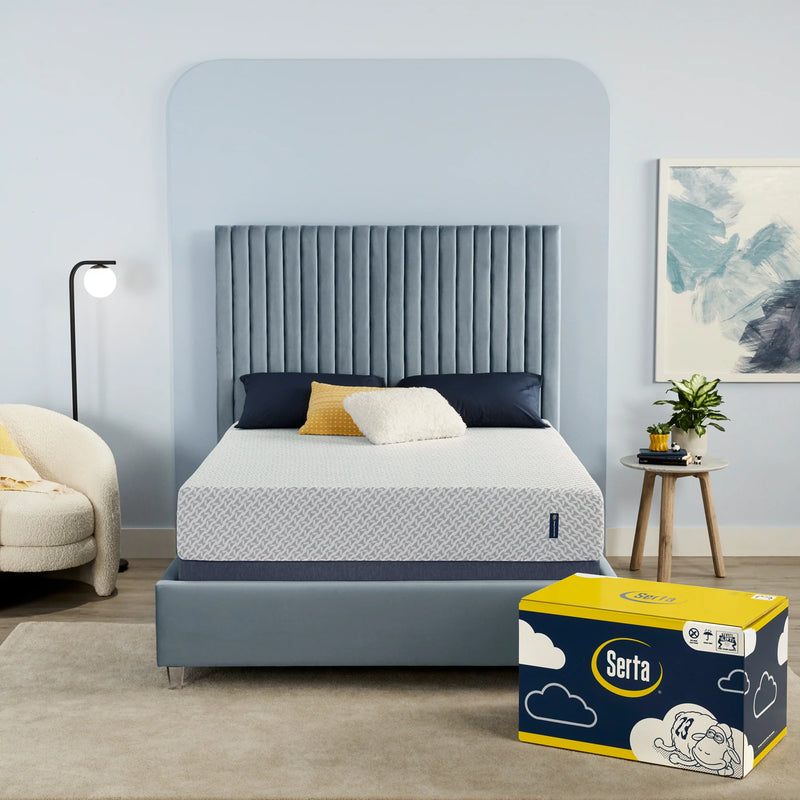
Serta Flash Sale on Amazon
July 10, 2023
Serta Amazon Flash Sale is here! Save up to 30% on select mattresses for 48 hours! * Shop the Serta...
Read More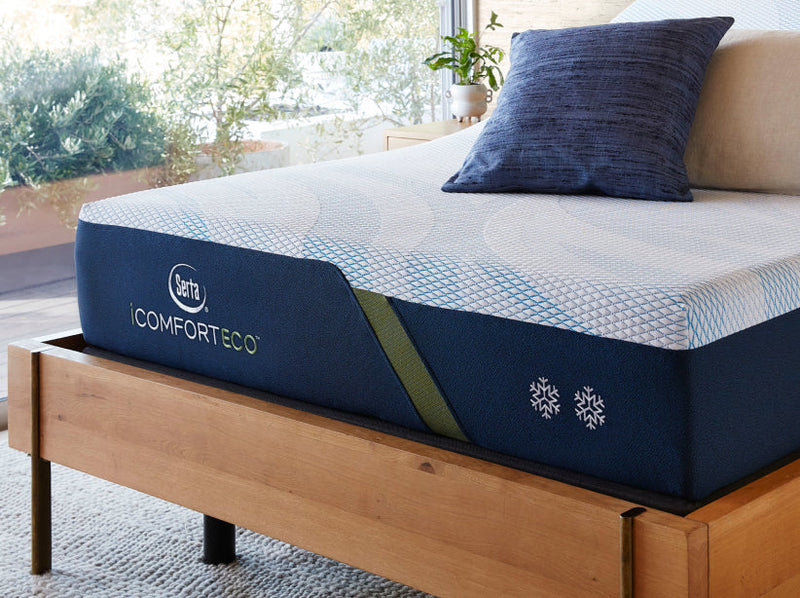
Serta's 2023 Memorial Day Mattress Sales Event
May 10, 2023
Catch some sweet ZZZ’s and some sweet savings on select Serta mattresses and adjustable bases during the Memorial Day Sale....
Read More
Four Secrets to Better Sleep
March 10, 2023
Sometimes, the little differences matter the most. Whether you’ve just begun your journey to great rest, or you’re a seasoned...
Read More
King Size VS California King Size Mattress Dimensions
February 03, 2023
Serta's mattress sizing guide provides the standard dimensions for king and California king size mattresses. Use the sizing chart to...
Read More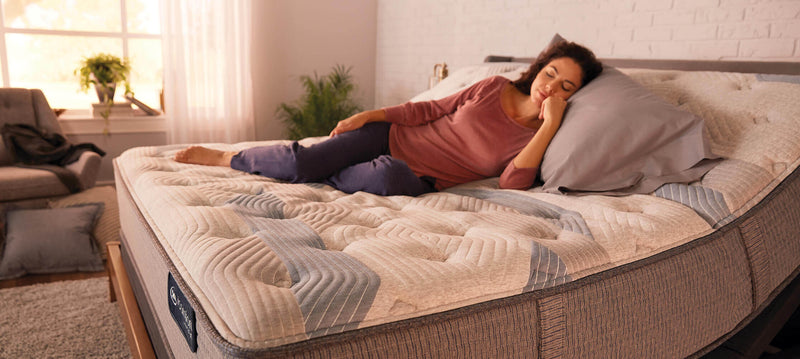
Double Size Bed vs Full Size Bed Dimensions - Are They Different?
February 02, 2023
Serta's mattress sizing guide provides the standard dimensions for full or double mattresses. Use the sizing chart to find your...
Read More
The Complete Guide of Herbs to Aid Sleep
January 02, 2023
While one night of restless sleep might not seem like the end of the world, a few nights of insomnia...
Read More
2023 Black Friday Mattress Sale & More. Serta Deals Going on Now!
December 19, 2022
Black Friday Mattress Sale & More End this holiday season feeling fully rested by taking advantage of these online Black...
Read More
The Best Sleep-Tracking Apps
September 01, 2022
Sharing our favorite apps for sleep-tracking.
Read More
Your Best Bed at Any Age
August 31, 2022
Did you know that yoursleep needs will change throughout your life?
Read More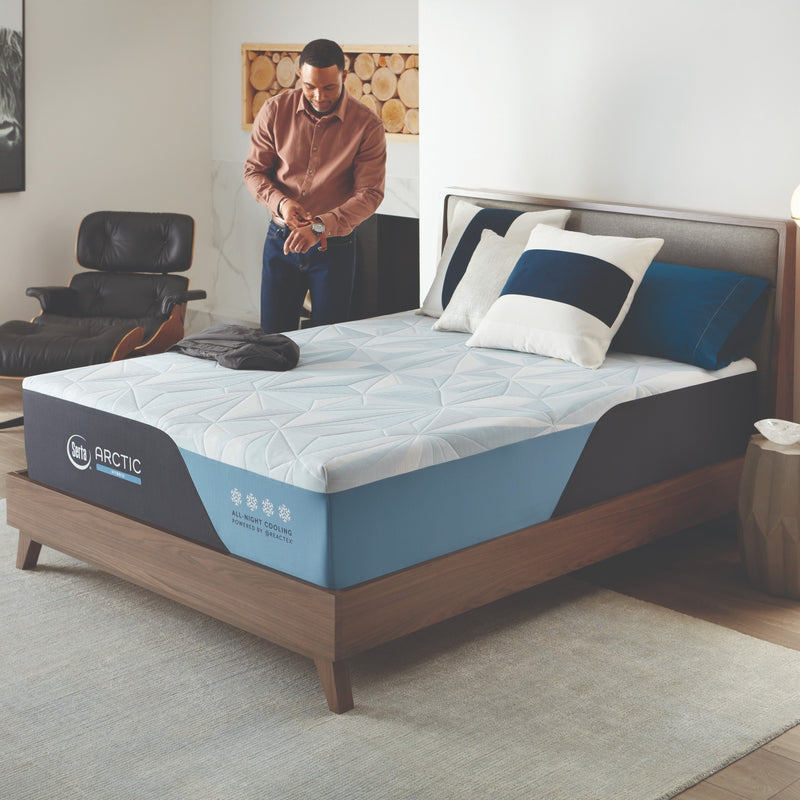
Introducing The Serta Arctic: Our COOLEST Mattress Yet
August 09, 2022
Tired of night sweats and sleeping hot? Our new Serta Arctic Collection is here to help change the game and...
Read More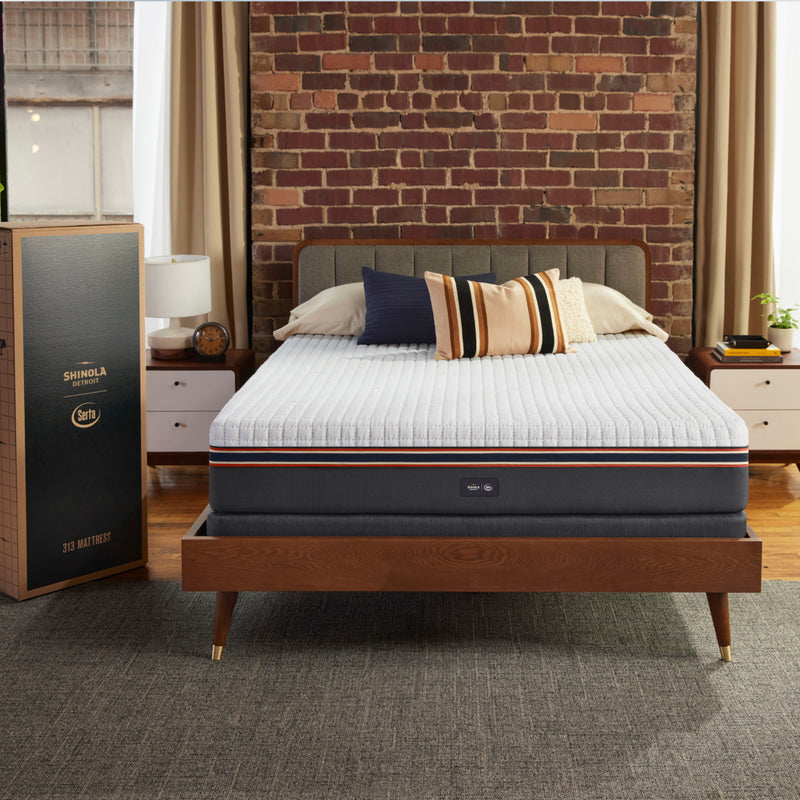
Serta Partners with Shinola
August 09, 2022
Here at Serta we truly believe that no one should have to sacrifice comfort for something with more style. This...
Read More
Serta 2022 4th of July Mattress Sales Event
July 12, 2022
If you’ve been eyeing the cooling, supportive Arctic, EZ Tote, iComfort, iComfort Hybrid mattress, or even the pressure relieving Perfect...
Read More
The Ins and Outs of Memory Foam: Is It Worth the Hype?
April 22, 2022
What's so great about memory foam? A lot, it turns out.
Read More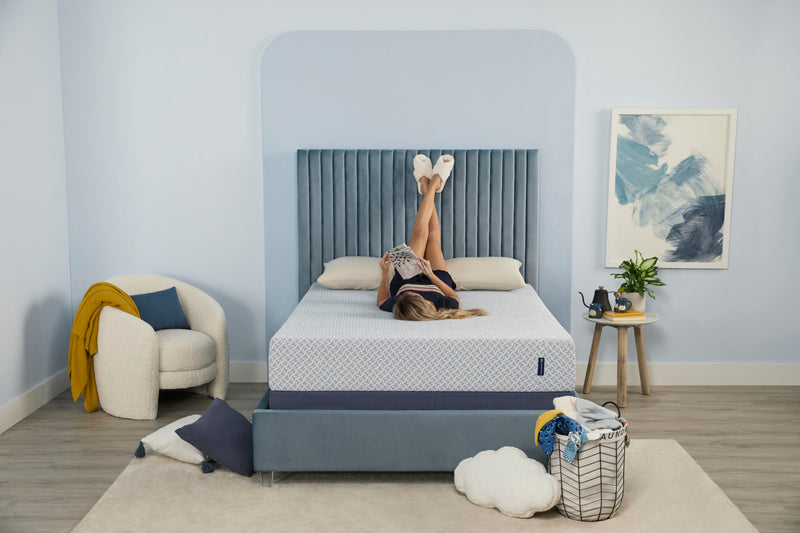
It's National Sleep Awareness Week!
March 28, 2022
“Quality Sleep, Sound Mind, Happy World” is the theme of this year’s National Sleep Awareness Week, a mantra we at...
Read More
Home Treatment for Bedbugs: 5 DIY Solutions
February 28, 2022
No matter where you live or what kind of home you have, chances are that you’ll have to deal with...
Read More
Couples Sleeping Positions: What Can They Mean?
February 28, 2022
Preferred sleeping positions are like favorite foods — everybody has them, and there’s not always a clear reason why we...
Read More
What is the Best Pillow for Stomach Sleepers?
February 25, 2022
Everyone has a preferred sleeping position that helps them fall asleep, and for some people, the only way to get...
Read More
How to Choose the Best Mattress for Your Toddler
February 15, 2022
Whether you want to keep your toddler in the crib or start with a toddler bed, you have a few...
Read More
Mattress Buying Guide: Top 10 Shopping Tips
October 20, 2021
Our mattress buying guide tips will help you become a mattress shopping expert so you can shop smarter.
Read More
How to Shop for a Double Mattress
October 20, 2021
If you are shopping for a double mattress, you are actually shopping for what’s commonly referred to as a full...
Read More
Memory Foam Pillows – The Best Pillows for a Good Night’s Sleep
September 02, 2021
The right pillow should not only feel comfortable, it should properly support your head and neck to promote proper spinal...
Read More
Serta Announces Significant Innovation Pipeline at Las Vegas Market Starting with iComfort® Relaunch
July 19, 2021
All new foam line that leverages consumer-centric insights to deliver better solutions for customer needs ATLANTA, GA (July 28, 2019)...
Read More
Serta® Unveils New iComfort® Mattress Collection Using Latest Hybrid Technology at Las Vegas Market
July 19, 2021
Serta® Unveils New iComfort® Mattress Collection Using Latest Hybrid Technology at Las Vegas Market Leading Mattress Manufacturer Also Showcases New...
Read More
Serta Promotes Its Successful iComfort Hybrid Mattress Collection at Las Vegas Market
July 19, 2021
Serta Promotes Its Successful iComfort Hybrid Mattress Collection at Las Vegas Market No.1 Mattress Manufacturer Also Showcases “Not Just Sorta...
Read More
Serta Showcases New and Simplified Product Collections at Las Vegas Market
July 19, 2021
Serta Showcases New and Simplified Product Collections at Las Vegas Market Continuing to Underscore Its “Not Just Sorta Comfortable. Serta...
Read More
U.S. News & World Report's 360 Reviews Names Serta Mattress Among Best of 2019
July 19, 2021
Serta iComfort® Hybrid Blue Fusion 100 Firm recognized for high-performing technology NEWS PROVIDED BYSerta, Inc.Jul 18, 2019, 08:10 ET ATLANTA,...
Read More
Save up to $400 during the iComfort Savings Event.
May 03, 2021
The temperatures are finally starting to rise, so prepare for summer with a cooling, supportive iComfort mattress. And, as luck...
Read More
Back pain & your mattress: what to look for.
May 03, 2021
While back pain is sometimes unavoidable, there are certain steps you can take to make sure you’re benefitting your body...
Read More
How Long Should I Nap? (And Other Nap-Related Questions)
February 11, 2021
Let's talk naps. You have questions. We have answers.
Read More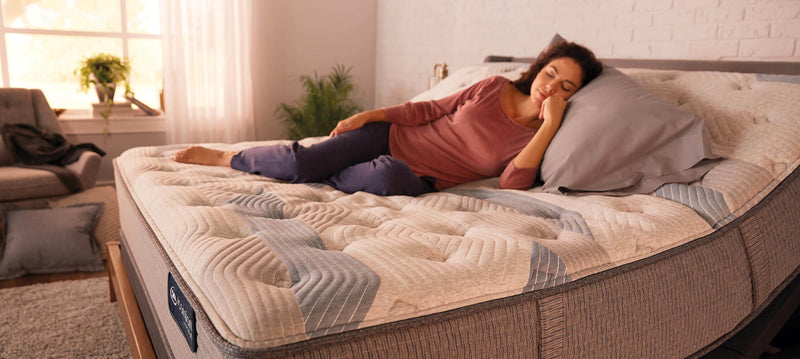
Mattress Sets: Shopping for a New Mattress and Foundation
February 11, 2021
Mattress Sets: Shopping for a New Mattress and Foundation
Read More
How to Shop for a Single Mattress
February 11, 2021
If you are shopping for a single mattress, you are actually shopping for what’s commonly referred to as a twin...
Read More
How to Purchase a Quality Mattress at an Affordable Price
February 10, 2021
When purchasing a mattress, it’s important to keep in mind your body’s unique comfort and support needs, in addition to...
Read More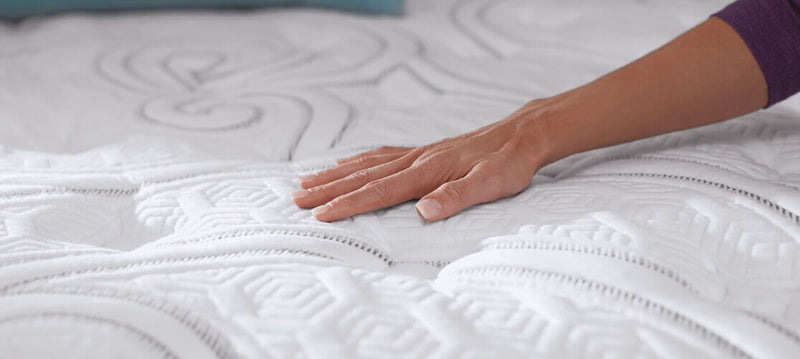
Serta Mattress, Custom Made to Order
February 10, 2021
Serta is a “Just in Time” manufacturer, meaning that we only produce mattresses and foundations ordered by our retailers or...
Read More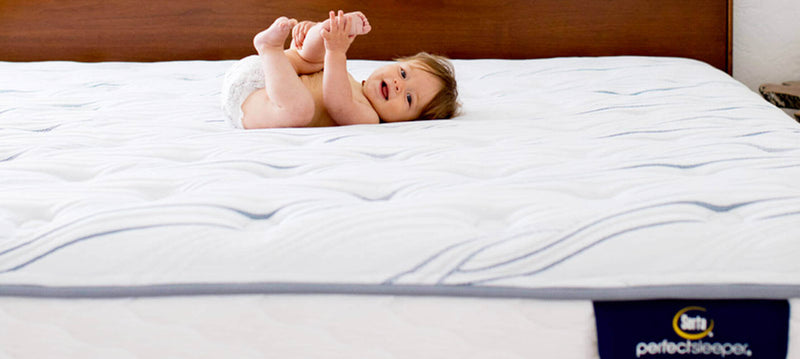
What’s in a Mattress?
December 17, 2019
Every Serta mattress is built with a unique set of features to create a specific level of comfort and support.
Read More
Discount Mattress Sets: How to Shop for a Great Deal
December 17, 2019
When shopping for a new mattress, it’s important to get the best quality at an affordable price.
Read More
Mattress Care
December 17, 2019
Learn the ins and outs for taking care of your mattress. Proper mattress cares means you protect your investment for...
Read More
Bed and Mattress Shopping Guide: How to Know When You Need a New Mattress
December 16, 2019
Serta offers the best tips for how to find the perfect mattress for you. Get started on the path to...
Read More
Why Mattress Construction Matters: Comfort is King
December 16, 2019
It's important to understand the different types of mattress constructions so you can find your optimal level of comfort.
Read More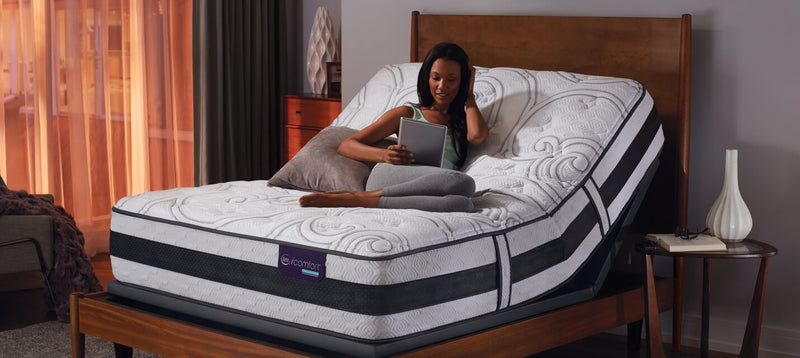
Revolutionize Sleep Management with Three Innovative Technologies
December 16, 2019
New innovative technologies make getting the recommended eight hours of sleep easier than ever before.
Read More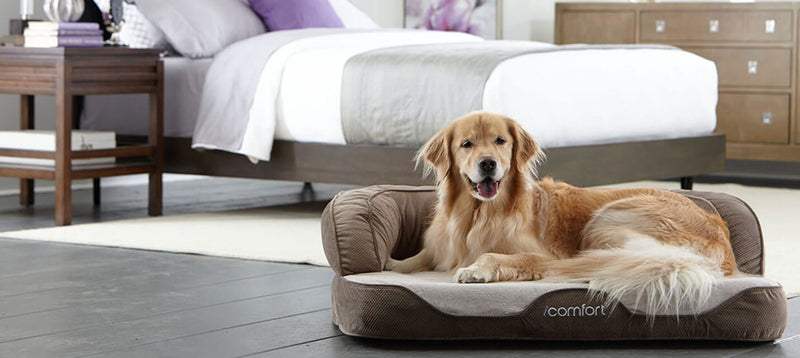
5 Reasons to Buy a Pet Bed
December 16, 2019
Our pets are family, and that means we want them to be comfortable and get a good night’s sleep just...
Read More
Why a Mattress Cover is the Best Bed Accessory
December 16, 2019
Before you get too lost in thread counts and throw pillow color patterns, consider the most important accessory of them...
Read More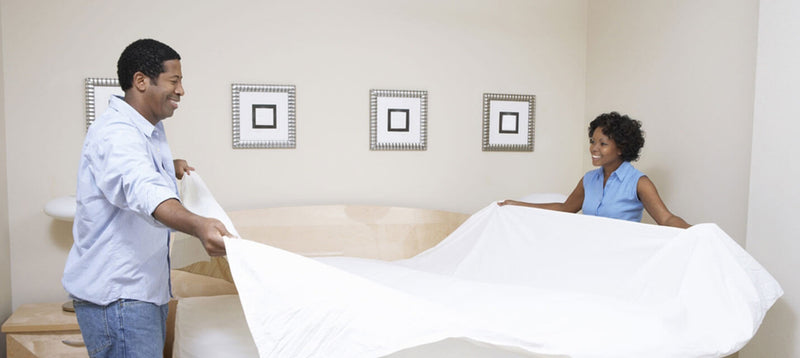
How to Care for Your New Mattress
December 16, 2019
Taking good care of your mattress over time will help you get the most benefit from it for years to...
Read More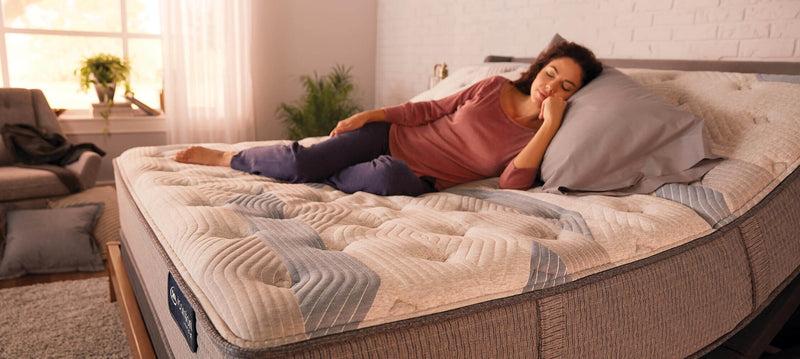
Mattress Warranty: Are You Covered?
December 16, 2019
Most of today’s brand name mattresses come with a manufacturer’s warranty to protect against manufacturing defects.
Read More
Why You Should Treat Yourself to Luxury Bedding
December 16, 2019
Luxury bedding is an investment in your sleep.
Read More
The Best Sleep Positions for Pregnancy
December 16, 2019
Our top tips on getting a good night’s sleep while you’re expecting. As always, talk to your doctor about specific...
Read More
How to Choose the Right Bed Size for Your Bedroom
December 16, 2019
Tips for choosing the right mattress for you AND your bedroom
Read More
When It Comes to Comfort, One Size Doesn't Fit All
December 16, 2019
When it comes to comfort, one size doesn’t fit all. And when it comes to sleep preference, one bed doesn’t...
Read More
10 Tips for Falling Asleep Fast
December 16, 2019
Techniques to help you fall asleep faster.
Read More
Traveling? Shop for Your Next Bed While You're on the Road
December 16, 2019
Great night's sleep at a hotel? Don't worry, you can replicate the experience at home.
Read More
Find Your Ideal Sleep Temperature
December 16, 2019
The key factors for your most comfortable sleep!
Read More
The Perfect Mattress Doesn't Have to Break the Bank
December 16, 2019
When it comes to mattresses, affordable price doesn’t have to mean cheap quality.
Read More5 Reasons Not to Buy a Used Mattress
December 16, 2019
If you love the art of the deal, you might be accustomed to buying consumer goods secondhand, but a mattress...
Read More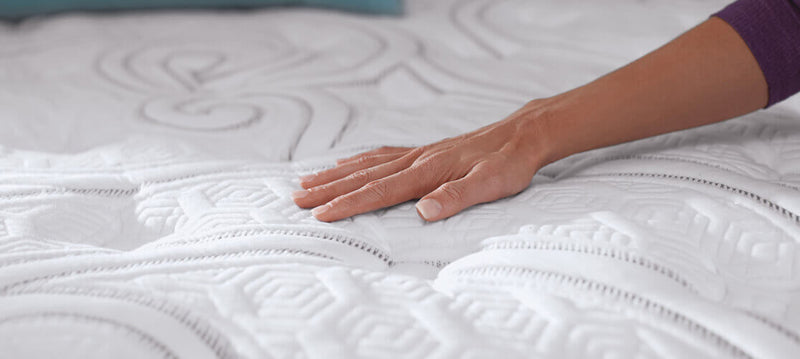
Memory Foam, Pillow Top or Innerspring? How to Choose the Right Mattress
December 16, 2019
To choose the mattress that best fits your preferences, you need to know the different types of mattress support and...
Read More
Should I Upgrade to a King Size Mattress?
December 16, 2019
When it’s time for a new bed, you should think about upgrading to a bigger mattress.
Read More
Learn to Love the Morning and Wake Up With Energy
December 16, 2019
Waking up with energy is about more than the hours of sleep you get, though those do matter.
Read More
How to Make Mornings Great Again: Mattress Suggestions to Help Ease Back Pain
December 16, 2019
Waking up shouldn’t be a pain in the neck. Or the back!
Read More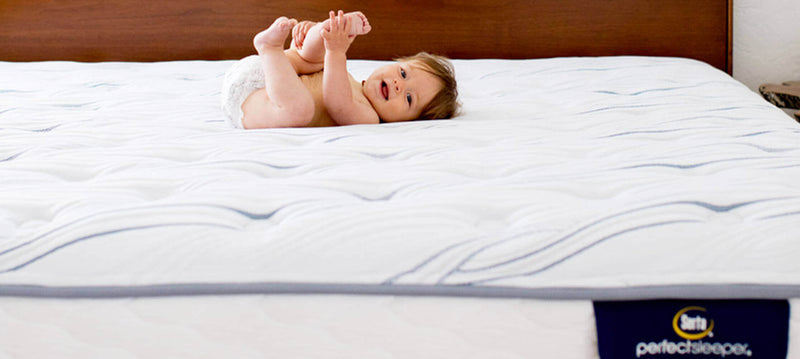
A House in the Hills Shares Bedroom Makeover Tips
December 16, 2019
Meet Sarah of A House in the Hills and Member of the Serta Comfort Crew.
Read More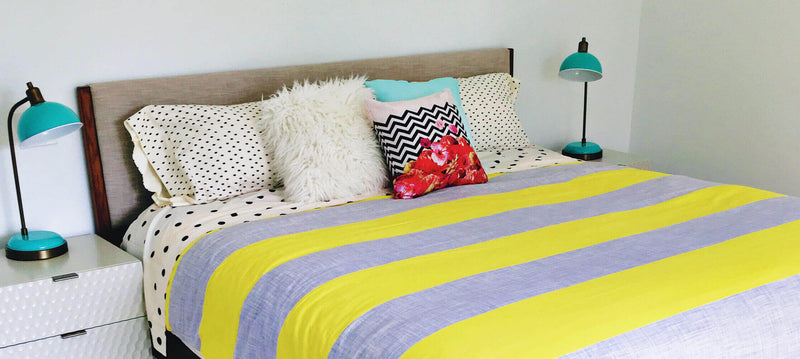
Mommy Shorts Makes Time for a Bedroom Makeover
December 16, 2019
Meet Ilana of Mommy Shorts and Member of the Serta Comfort Crew.
Read More
House of Harper Declares Peace in Her Bedroom
December 16, 2019
Meet Caroline of HOUSE of HARPER and Member of the Serta Comfort Crew.
Read More
Why to Buy a Mattress Made in the USA
December 16, 2019
Serta mattresses are manufactured in the United States at one of our 28 facilities across the country.
Read More
Side Sleepers Rejoice! The Perfect Bed and Pillow for Your Best Night's Sleep
December 16, 2019
Side Sleepers: Find the best mattress and pillow for you.
Read More
How to Choose the Best Crib Mattress
December 16, 2019
The crib mattress is an important consideration when setting up your baby’s nursery.
Read More
Review Your Serta Mattress for a Chance to a Win $200
December 16, 2019
Review your mattress for a chance to win!
Read More
What Your Sleeping Position Says About You
December 16, 2019
What does your sleeping position say about you?
Read More
Making the Rounds: How to Shop for a Mattress in Stores
December 16, 2019
Tips for finding your perfect mattress in store.
Read More
Snuggle Up With This Apple Cider Recipe
December 16, 2019
This apple cider pairs nicely with a juicy read and chunky blankets in bed.
Read More
5 Exercises for Better Sleep
December 16, 2019
Exercise promotes better sleep in a variety of ways.
Read More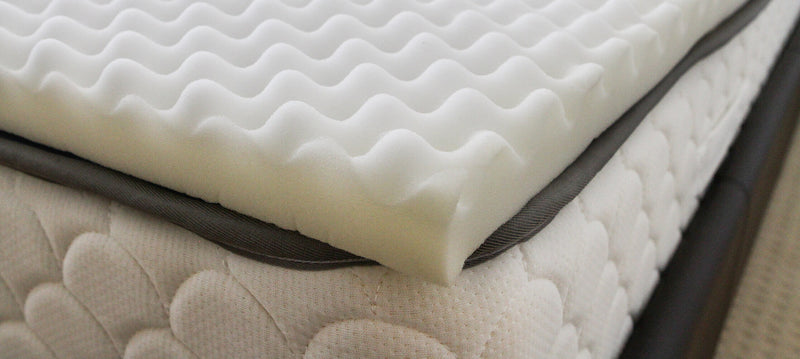
Do You Need a Mattress Topper?
December 16, 2019
The need for a mattress topper likely stems from the fact that it’s time for a new mattress altogether!
Read More
HOW TO PREPARE YOUR MOST COMFORTABLE GUEST ROOM FOR THE HOLIDAYS
December 16, 2019
Put holiday hosting stress to bed with five guest room prep tips.
Read More
Is it time to replace your mattress?
December 16, 2019
The Better Sleep Council recommends that you replace your mattress every seven to ten years.
Read More
The pros and cons of online mattress shopping
December 16, 2019
Can you buy a mattress online as opposed to in a store?
Read More
HOW TO STAY COOL IN BED THIS SUMMER
December 16, 2019
Stay cool and comfortable in bed with these tips.
Read More
Two Sleep Styles, One Mattress: How To Make It Work
December 16, 2019
Here are a couple of qualities your new mattress should have to keep you both happy.
Read More
Sleepwalking and Other Weird Things We Do in Our Sleep
December 16, 2019
We all do weird things in our sleep. It’s normal.
Read More
10 Of The Best Tips To Getting The Best Sleep Ever
December 16, 2019
We’re all imperfect sleepers with wonderful quirks. But here are some tips on how to get the best sleep ever.
Read More
Even More Tips to Getting the Best Sleep Ever
December 16, 2019
We’re back with more helpful tips. Because when it comes to sleep, there’s no such thing as too comfortable.
Read More
Back, Side, & Stomach Sleepers: What's the Best Mattress for You?
December 16, 2019
Back, side and stomach sleepers, listen up. These are the mattress you should be shopping for.
Read More
THE BEST TRAVEL DESTINATIONS OF 2018 WITH THE MOST COMFORTABLE HOTEL BEDS
December 16, 2019
We’re in the business of comfort. And what’s more comfortable than a sweet vacation?
Read More
WINDING DOWN AND RESTING UP: 8 EASY WAYS TO PREPARE FOR BED
December 16, 2019
8 easy ways to wind down for a good night's sleep.
Read More
OUR TOP 5 FAVORITE FOODS TO HELP YOU SLEEP
December 16, 2019
Sharing our top 5 sleepy foods that will help you get snoozing.
Read More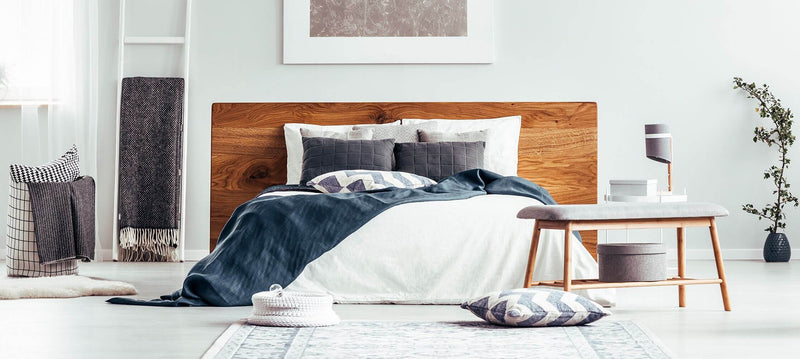
BEDROOM FENG SHUI TIPS FOR MORE COMFORT
December 16, 2019
Get better quality sleep with the help of feng shui.
Read More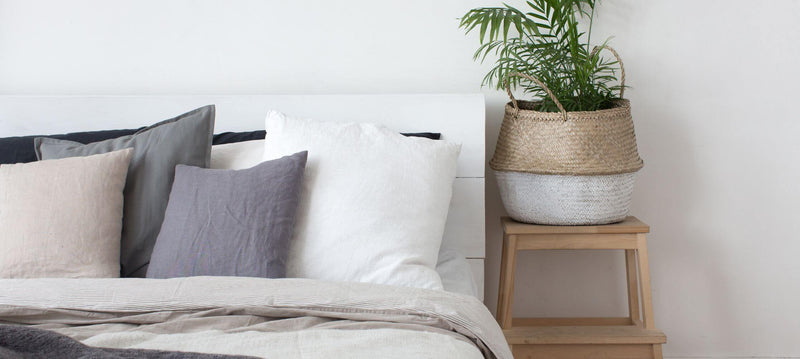
MORE BEDROOM FENG SHUI TIPS FOR SLEEP COMFORT
December 16, 2019
Feng shui helps you create harmony within your environment. So if you want the best sleep ever, you have to...
Read More
SLEEPING BETTER NAKED: THE BARE, NAKED TRUTH
December 16, 2019
Let us bare it all. Right here, right now. The truth is, sleeping naked can be good for you.
Read More
OUR FAVORITE NATURAL SLEEP AIDS & SUPPLEMENTS
December 16, 2019
Getting plenty of good sleep is important. But sometimes good sleep habits only get you so far.
Read More
4 MOST COMMON DREAMS & THEIR MEANINGS
December 16, 2019
Four most common dreams and what they mean.
Read More
HOW TO SLEEP COMFORTABLY ON A PLANE
December 16, 2019
We’re on a mission to find comfort. Even in the unlikeliest of places.
Read More
HOW TO BECOME A MORNING PERSON
December 16, 2019
You can become a morning person. And here’s how.
Read More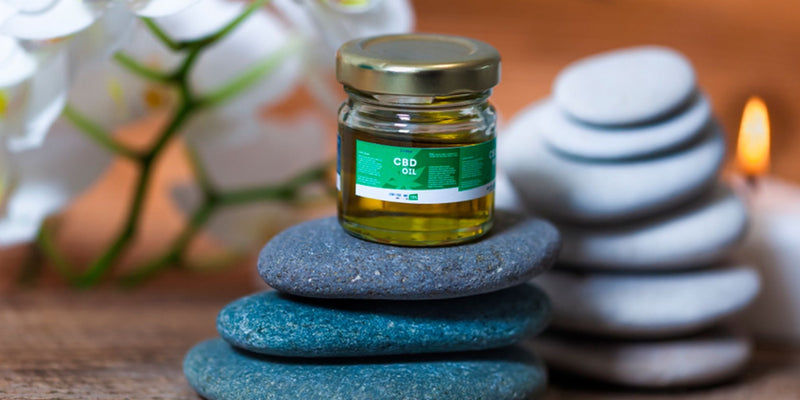
CBD & SLEEP: WHAT ARE THE BENEFITS?
December 16, 2019
CBD has slowly made its way into our lives. Into our coffee. Our smoothies. And our body lotions.
Read More
THIS IS HOW MANY HOURS OF SLEEP YOU NEED
December 12, 2019
Stop trying to cut corners. Sleep is necessary.
Read MoreSerta to Launch New Mattress-in-a-Box Program
November 22, 2019
Serta® to Launch New Mattress-in-a-Box Program for Retailers at Las Vegas Market Industry leader exemplifies innovation with exciting, new product...
Read MoreSerta, Inc. Names Leo Burnett Group as New Creative Agency
November 22, 2019
Serta, Inc. Names Leo Burnett Group as its New Creative Agency Serta, Inc., announced its selection of Leo Burnett Group...
Read MoreWAKE UP AMERICA, IT’S TIME TO CHALLENGE YOUR COMFORT
November 22, 2019
WAKE UP AMERICA, IT’S TIME TO CHALLENGE YOUR COMFORT Serta Ignites Comfort Conversation Asking People to Share What Makes Them...
Read MoreSerta asks America to "Declare Peace"
November 22, 2019
Serta asks America to “Declare Peace” in the most comfortable place around: The Bedroom Nearly half of Americans claim they...
Read More