How To Compare Hybrid Mattress Features Across Brands
Quick answer: Compare four things: the coil unit (pocketed coils respond independently, which can help with motion separation), the comfort layers (material and thickness drive the feel; look for roughly three inches or more), firmness matched to your sleep position, and the terms (trial length, return process, warranty, foam certifications). Ignore raw coil counts past a reasonable threshold. A named cooling fabric on the spec sheet means more than a vague "sleeps cool" claim.
Every mattress brand invents its own name for what's inside the bed. One company's trademarked coil system is another's proprietary support core, and the spec sheets read like they were built to resist comparison. (Sometimes I suspect they were.) Strip away the branding, though, and nearly every hybrid is the same four parts stacked the same way: a cover, comfort layers, a coil unit, a base. Once you see that, comparing brands turns into a checklist instead of a guessing game.
Ten minutes on a showroom bed tells you almost nothing. You're lying there in your jeans with a salesperson hovering, trying to imagine hour six of an actual night. The specs, the trial terms, and the return logistics end up doing more work than that store visit ever will. That's what this guide is for.
At a glance: what should you compare in a hybrid mattress?
What a hybrid mattress actually is
A hybrid pairs a steel coil support core with a comfort system on top, usually foam or latex. Per the Sleep Foundation, that comfort system is typically at least three inches thick, and the number matters more than it sounds. Some brands slap the hybrid label on anything with coils and a whisper of padding, and an inch of quilting over springs is really just an innerspring in a nicer package. If a listing won't say how thick the comfort layers are, that's your first red flag.
Is a hybrid worth it? My honest read: yes, if you want pressure relief and still want to move around easily. The coils give the surface a responsiveness that all-foam beds don't have. But if you love the slow, deep sink of memory foam, a hybrid might be a pricier way to get less of it.
Read the coil unit closely, because it's where brands differ most
Start with coil type. Pocketed coils (also called individually wrapped) compress independently, which can help keep one person's 2 a.m. flopping on their own side of the bed. Connected coil grids tend to be bouncier and pass more motion across the surface. Check wire gauge if it's listed: a lower number means thicker steel and a firmer, sturdier response. Plenty of hybrids mix gauges in zones, firmer under the hips and softer under the shoulders, and zoning is a genuinely useful spec, not decoration.
Check for a reinforced perimeter too: if you sit on the edge to put your shoes on, or sleep near it because a dog claims the middle, a foam-encased border is the difference between a usable edge and a slow slide toward the floor.
The comfort layer deserves the same attention, maybe more. Memory foam gives a slow, close hug. Latex is springier and floats you rather than cradling you. Polyfoam usually sits in between, often as a transition layer. Compare material, thickness, and density when a brand lists it.
Firmness, cooling, and the fine print
Firmness isn't standardized across brands, which is a pain. One company's medium firm is another's firm, so treat the label as a starting point and anchor it to your sleep position: side sleepers generally need more give at the shoulder, while back and stomach sleepers usually do better on firmer builds.
Cooling is the area where I'll admit the least certainty. Every brand has its own trademarked fabric or infusion, and you can't compare them head to head from your couch. My rule: a named, specific cooling feature beats a generic "sleeps cool" bullet point, because a named feature is something the brand has to stand behind.
Then the unglamorous stuff, which decides more purchases than it should. Read the trial terms: how many nights, who hauls the bed away if you return it, and whether there's a fee. Read the warranty, and look for foam certifications, which mean an independent lab tested the foam rather than the brand grading its own homework.
What this looks like on a Serta® hybrid
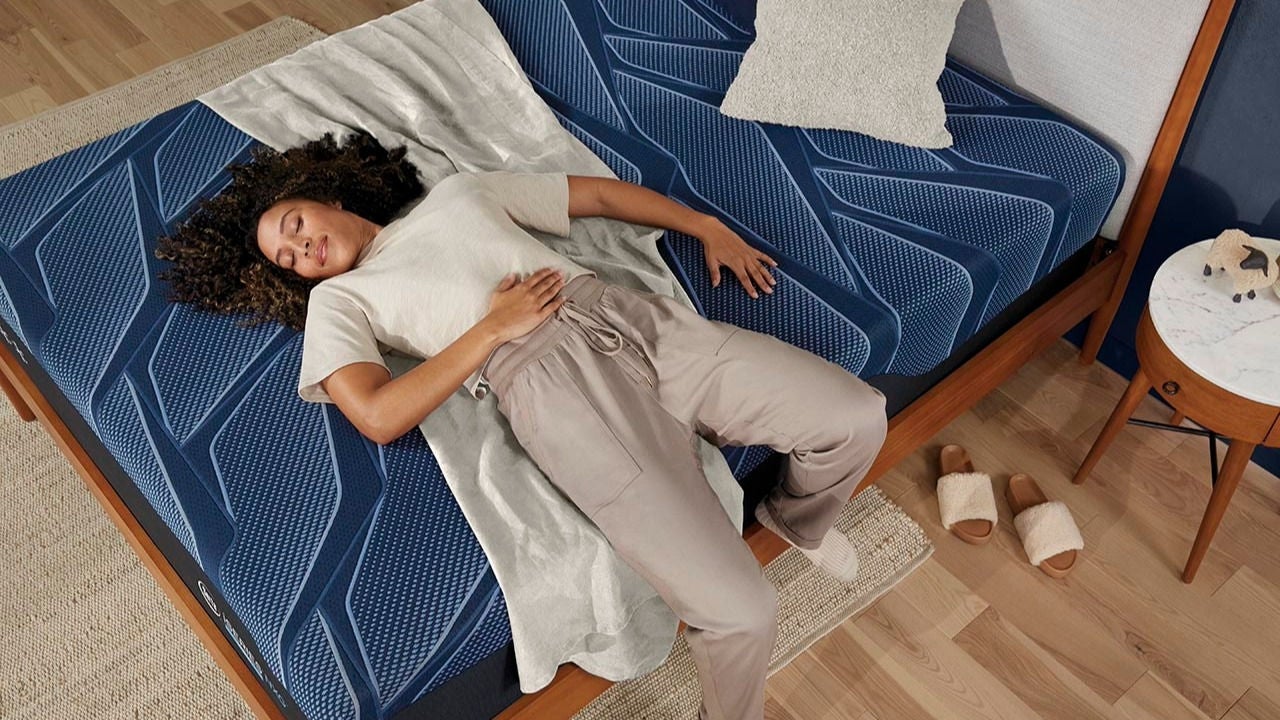
To make the checklist concrete, here's how those items show up on the beds I can speak to directly. Serta's iSeries NXG Hybrid collection is built on the Q4 Support System, a 4-in-1 coil design intended for even weight distribution and long-lasting support: that's the gauge-and-zoning idea from earlier with a trademark on it. BestEdge Foam Encasement is the reinforced-perimeter box checked, designed to help the edge stay supportive when you sit or sleep near it. CoolFeel Fabric is the named-cooling-feature rule in action: a surface fabric designed to help regulate temperature. NXG Memory Foam sits in the comfort layers, designed for pressure relief. If you want a lower entry point, the Perfect Sleeper Hybrid assortment runs the same basic playbook.
Serta's foams are CertiPUR-US certified, meaning an independent lab tested them for content and emissions rather than the brand grading its own homework. Buy direct-to-consumer and you get an in-home trial period and a limited warranty; check the current terms before you buy.
The trade-off you still have to make
No spec sheet resolves the core hybrid question for you: responsiveness versus hug. Coils push back and make movement easy; thick foam pulls you in and holds you there. You have to decide which side of that line you actually sleep on, and that answer is worth more than any brand comparison chart.
If the budget forces a choice between a flashier coil count and a thicker, higher-quality comfort layer, put the money in the comfort layer. The Sleep Foundation puts a typical queen hybrid at $1,200 to $2,000, and the difference between a bed you keep and a bed you return usually lives in those top three inches.
Ready to put the checklist to work? Start with Serta's hybrid mattresses and compare models side by side.
Frequently asked questions
What is a hybrid mattress?
A hybrid pairs a steel coil support core with comfort layers of foam or latex on top, usually three inches or more of it. The coils handle support and responsiveness, and the top layers handle the pressure relief you actually feel.
Is a hybrid mattress worth it?
Yes, if you want some bounce and easy movement along with foam-style pressure relief, a hybrid is a sensible middle ground. If you love the deep, slow hug of an all-foam bed, you may be paying for coils you don't need.
Do more coils mean a better hybrid mattress?
Not automatically. Coil count matters up to a reasonable threshold for a given size. Coil type, wire gauge, and zoning tell you more about how a hybrid will actually support you.
How thick should the comfort layer be on a hybrid mattress?
The Sleep Foundation notes hybrid comfort systems are typically at least three inches thick. Much thinner and the bed leans closer to a traditional innerspring feel.
Do hybrid mattresses sleep cool?
Temperature performance comes down to the specific materials near the surface, like a temperature-regulating cover fabric. Look for a named cooling feature rather than a generic claim that the bed sleeps cool.
How long should a mattress trial be?
Long enough to sleep on the mattress for several weeks, since your body needs time to adjust to a new surface. Serta includes an in-home trial period on direct-to-consumer purchases; check the current terms on serta.com before you buy.
Which Serta mattresses are hybrids?
Serta's hybrid lineup includes the iSeries NXG Hybrid collection and the Perfect Sleeper Hybrid assortment. If you're not sure where to start, Serta's mattress quiz can point you toward a model based on how you sleep and what you like.